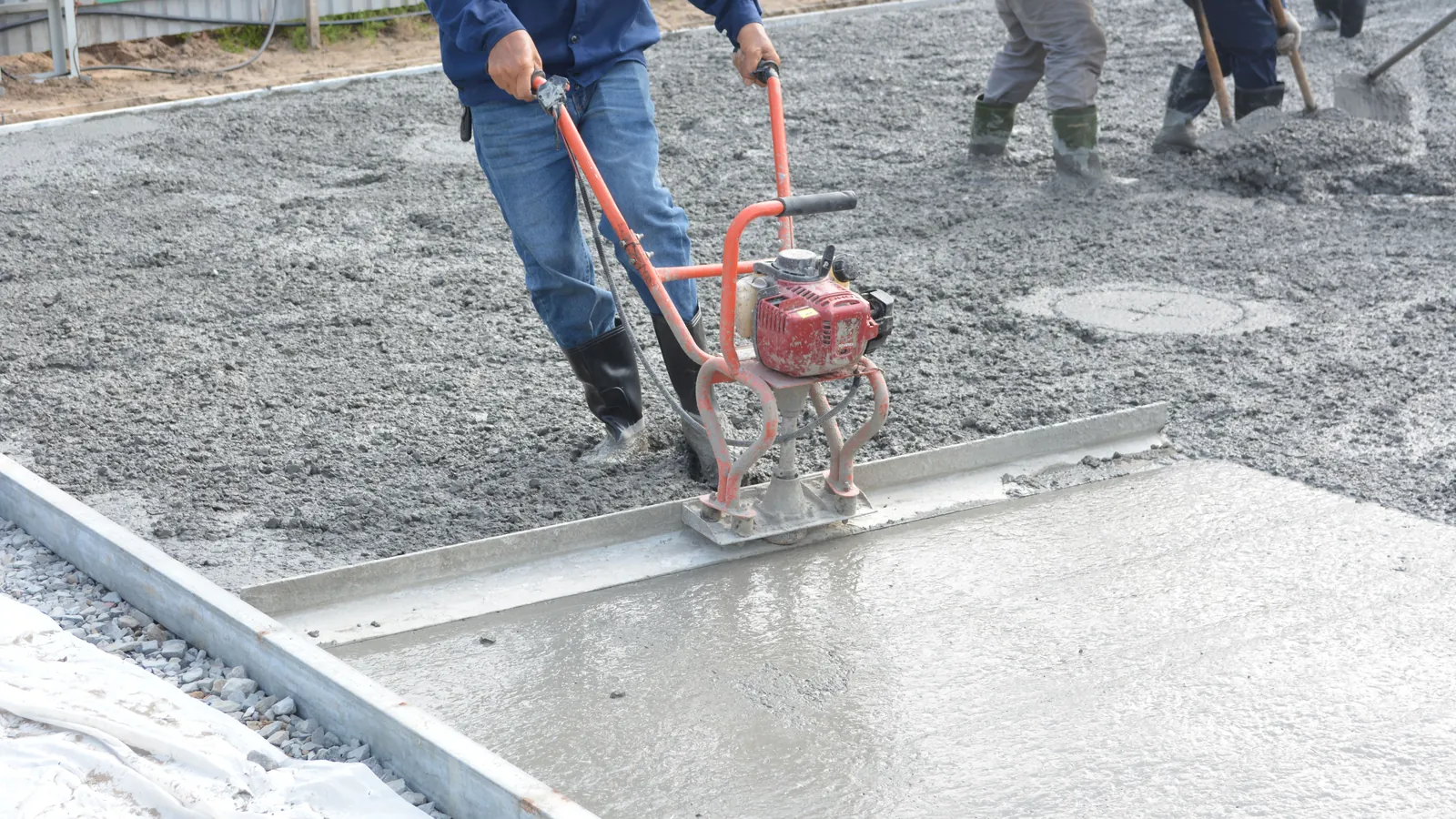
What Actually Drives the Price of a Driveway
Two driveways of identical size can carry very different quotes, and it's rarely because one contractor is simply cheaper. The real cost drivers are the condition of the existing site, how much base preparation is needed, the finish you choose, and the reinforcement required for the loads it needs to carry. A firm number only comes from someone assessing your specific site — anything else is a rough guide.
Typical Price Ranges by Finish Type
These are broad, indicative ranges based on general market pricing for the Adelaide area — every site is different, and the only way to get an accurate number is an on-site assessment. Use this as a planning guide, not a quote.
| Finish Type | Typical Range |
|---|---|
| Plain broom finish | $65–$90 per m² |
| Exposed aggregate | $90–$130 per m² |
| Stencil / stamped concrete | $100–$150 per m² |
| Coloured concrete (integral or hardener) | $85–$120 per m² |
| Resurfacing overlay (on a sound existing slab) | $45–$75 per m² |
| Commercial concreting | $70–$140 per m² (varies with load rating & access) |
Smaller driveways typically carry a higher per-square-metre rate than larger, simpler areas, since setup, formwork and edge finishing don't scale down proportionally with size.
What Pushes Cost Up
- Poor existing site condition — removing an old driveway, dealing with significant slope, or excavating through rock or heavy clay all add time before the pour can even start
- Decorative finishes — exposed aggregate, stencil and coloured concrete all take more material, skill and finishing time than plain broom concrete
- Heavier reinforcement requirements — a driveway needing to carry regular trailer, boat or truck loads needs thicker concrete and heavier reinforcement than a standard passenger driveway
- Difficult access — sites where a concrete truck can't reach directly may need pumping or barrowing, which adds cost
- Sloped or split-level sites — stepped sections, retaining and additional drainage design all add cost over a straightforward flat pour
What Can Bring Cost Down
- A site with good existing access and no demolition required needs less preparation time
- A plain broom finish is the most economical decorative option
- Combining multiple areas (driveway and a path, for example) into one job reduces total setup and mobilisation cost compared with separate bookings
- Standard passenger-vehicle reinforcement is more affordable than a heavier commercial-grade specification
How to Evaluate a Quote
The cheapest quote isn't automatically the worst one, but it's worth understanding exactly what's included before comparing on price alone. Ask specifically:
- What thickness is the slab, and what reinforcement is included?
- Does the price include removal and disposal of any existing concrete?
- How many control joints are included, and where will they be placed?
- What's the written warranty period, and what does it actually cover?
- Is base preparation and compaction fully costed in, or a separate line item that could grow?
It's usually because a step has been left out — most commonly proper base compaction, adequate reinforcement, or a realistic slab thickness for the load. A lower price on paper often becomes the more expensive option once a driveway cracks or sinks within a few years and needs to be redone.
Getting an Accurate Number for Your Driveway
Because site condition varies so much, we quote every job from an on-site assessment rather than a phone estimate. It costs nothing, takes a short amount of time, and means the number you receive actually reflects your property — not a generic average.
Get an Accurate, Itemised Quote
We'll assess your site on-site and give you a straight, itemised price — what's included, what it costs, and why.
Request a Free Quote